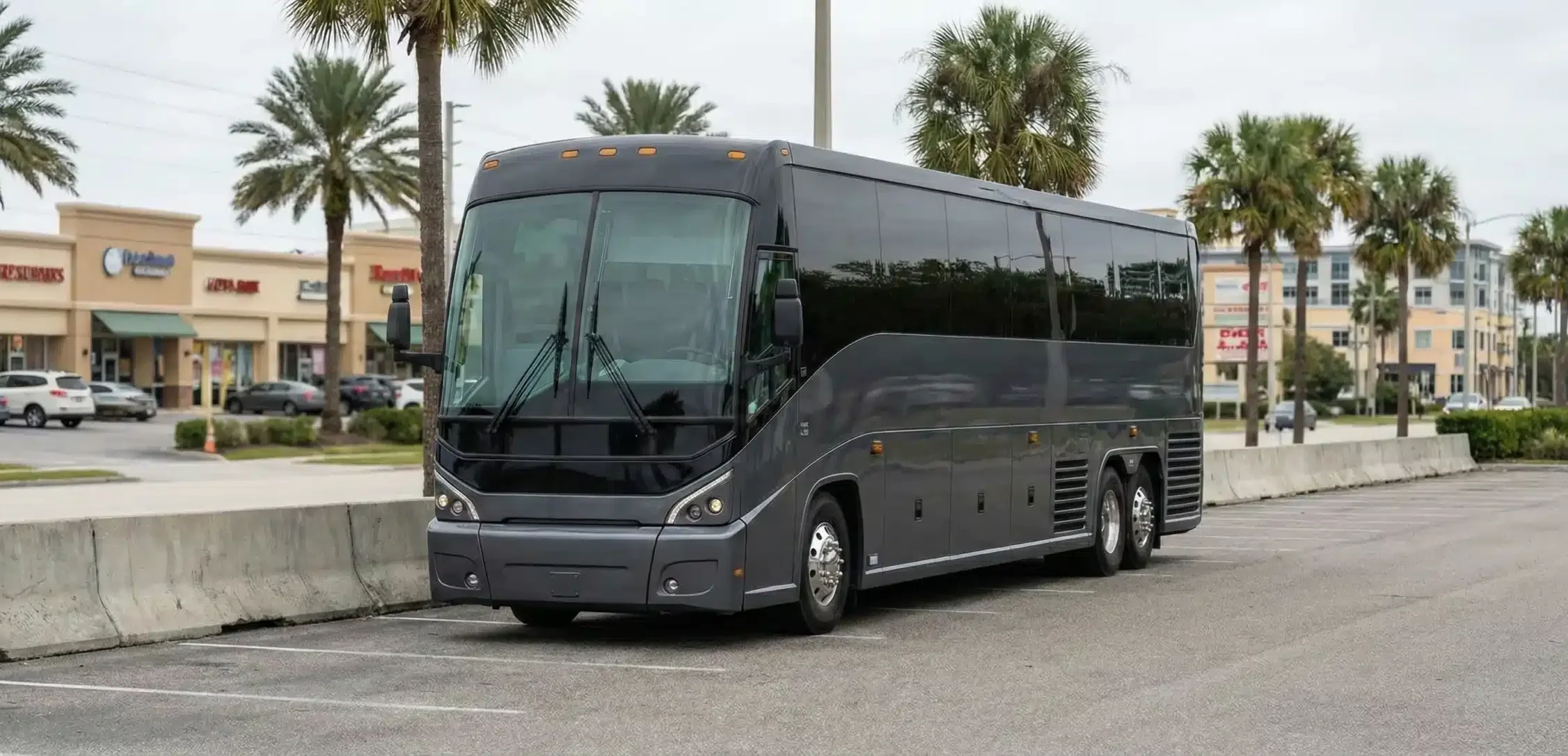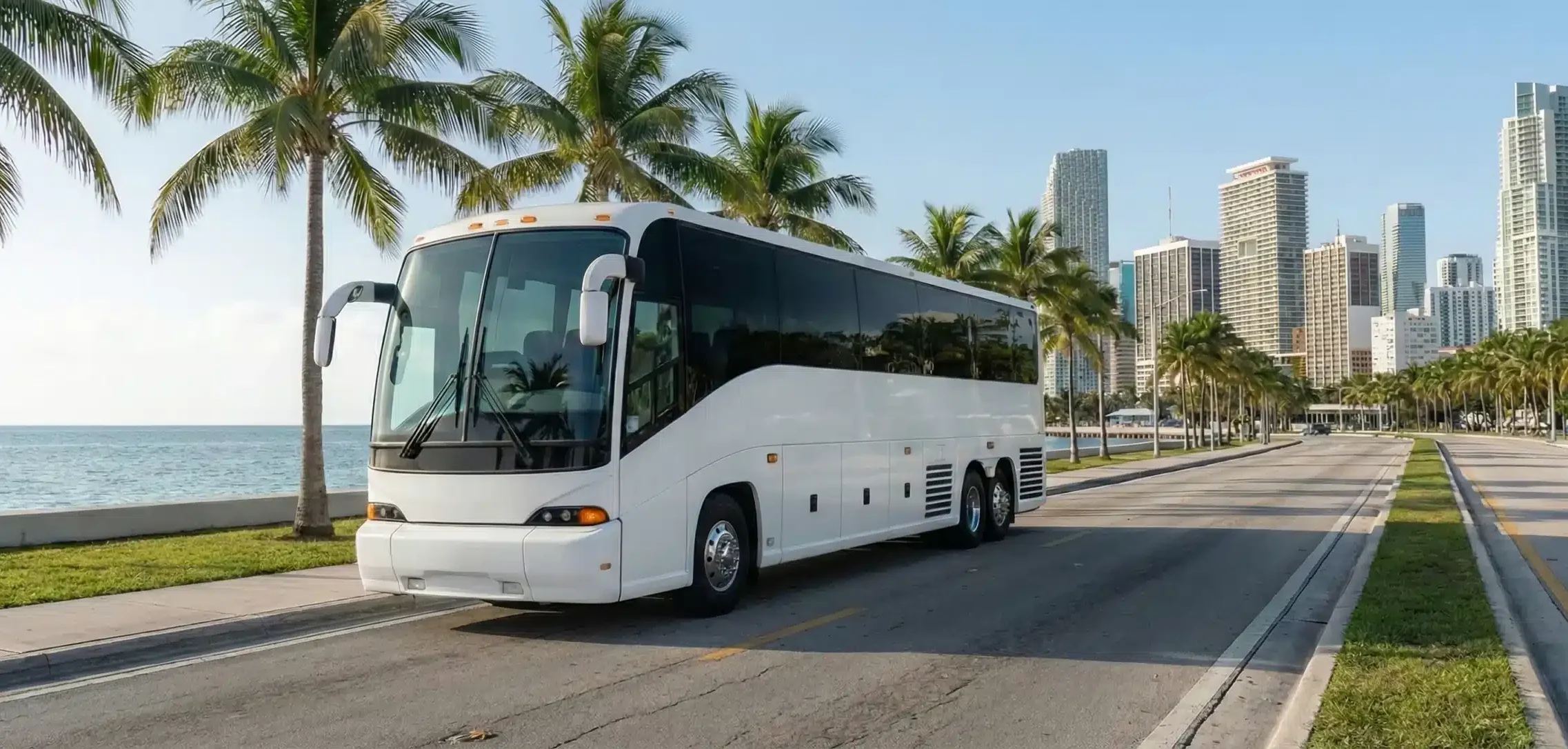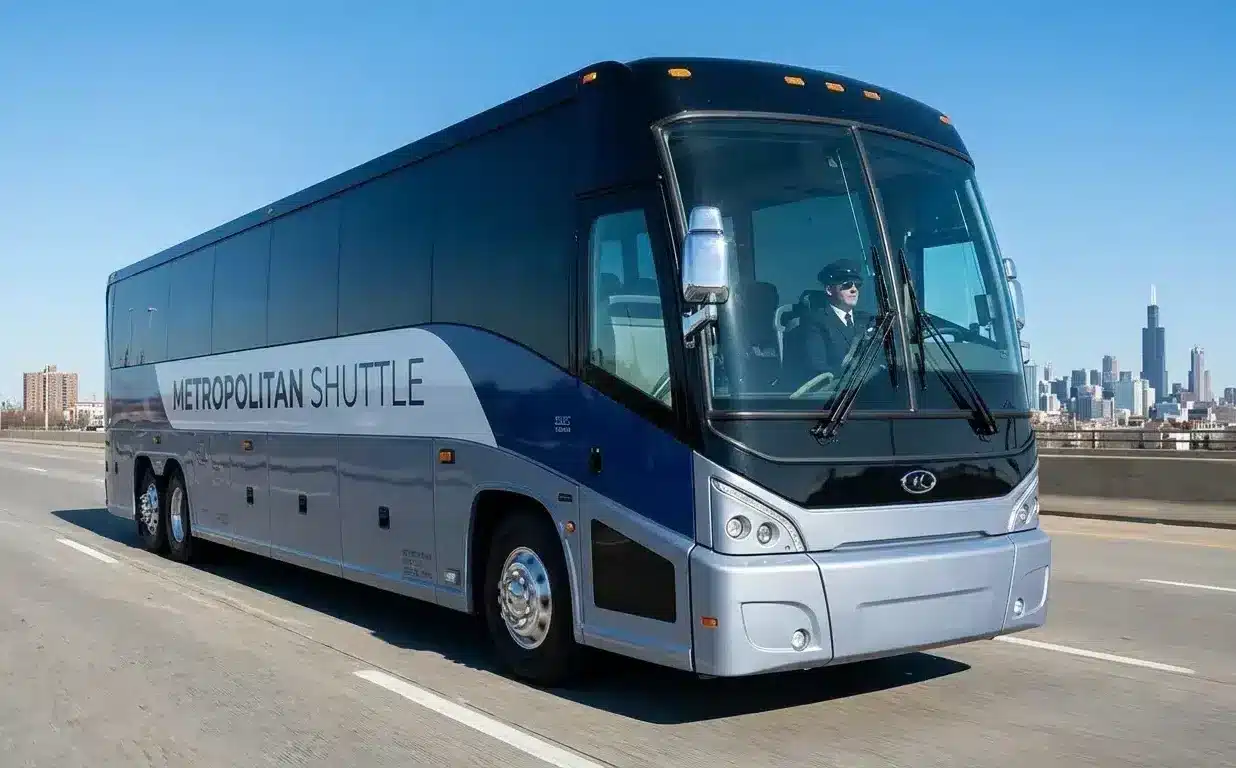

Reliable shuttle bus services can transform your next group trip. At the time of transporting 18-60 people, you have two main options to think about. Metropolitan Shuttle has offered trusted transportation solutions for over 20 years. The company helps groups choose between compact minibusses and spacious motorcoaches.
Size is just the beginning of their differences. Minibusses seat 18-30 passengers comfortably and cost between $300-$800 per day. These vehicles work best for shorter trips. Full-sized motorcoaches accommodate up to 60 people and come with plush seats for long-distance comfort. They also include onboard toilets, though daily rates run higher at $800-$1,500.
The right choice impacts everyone’s experience. Your group’s corporate event, wedding, or school trip depends on picking the ideal vehicle. Minibusses excel with fuel efficiency at over 30 miles per gallon. Motorcoaches average about 4 miles per gallon. Fuel efficiency marks just the start of what makes these transportation options unique.
Let’s help you find which shuttle option matches your specific needs. A detailed comparison of minibusses and motorcoaches will guide you to make the best decision for your group transportation needs.
Minibus vs Motorcoach: What’s the Core Difference?
The main difference between minibusses and motorcoaches isn’t just about size. These vehicles serve different purposes and each has its own advantages based on your group’s needs.
Passenger Capacity: 8–30 vs 35–60+
Minibusses work great for smaller groups that need a more personal touch. These shuttle vehicles can carry 8-30 passengers, which makes them ideal for small gatherings. Here are some typical minibus setups:
- 14-passenger shuttles (plus driver)
- 24-passenger minibusses
- 28-30 passenger executive shuttles
Motorcoaches pack more power when it comes to capacity. These bigger vehicles can move 35 to 61 passengers at once. Standard motorcoaches fit 56 passengers easily, though executive models might have fewer seats to add extra features. This bigger capacity makes motorcoaches budget-friendly for large groups since you’ll need fewer vehicles.
Vehicle Size: Compact vs Full-Length
Size creates another big difference in these shuttle services. Minibusses are 20-30 feet long, which lets them handle tight city streets and squeeze into spots with limited space. Their smaller size means they can reach downtown areas, residential streets, and places with tight access points that bigger vehicles might struggle with.
Motorcoaches stretch 40-45 feet long and stand 11-12 feet tall. This size gives room for extra features and passenger comfort but makes them harder to move around in some places. You need a professional driver with special training and licenses to direct these big vehicles safely through turns and tight spots.
What does this mean for you? Think about where you’re going. Minibusses work better for routes with narrow streets, underground parking, or hard-to-reach venues. Motorcoaches shine on highway trips between major stops.
Trip Suitability: Short Local vs Long-Distance Travel
Each type of vehicle works best in specific situations based on distance and time.
Minibusses are perfect for:
- Local runs within 50 miles
- Airport pickups and hotel shuttles
- Wedding transport between ceremony and reception
- Corporate events with multiple short runs
- Wine tours and local sightseeing
These vehicles focus on quick, easy access rather than long-trip comfort. Most don’t have bathrooms, so trips usually need stops after 1-2 hours.
Motorcoaches are built for the long haul. They come with:
- Better suspension for smoother rides
- Extra sound protection from highway noise
- Room to move around during long trips
- Built-in bathrooms to avoid frequent stops
- Climate control that works in any weather
These features make motorcoaches your best bet for trips over 50-100 miles or longer than two hours. College teams, tour groups, and corporate retreats get the most from a motorcoach’s comfort features during long trips.
Your choice depends on what you need. A minibus works well for moving 25 people around town quickly and cheaply. But if you’re taking 50 employees on a 200-mile trip to a corporate retreat, a motorcoach’s comfort and features are worth the extra cost.
Seating and Interior Comfort
Passenger satisfaction in group travel depends on interior comfort. The comfort features between minibusses and motorcoaches make a big difference in everything from quick commutes to long trips.
Seat Type: Standard vs Reclining Plush Seats
The seating is one of the most noticeable differences between these vehicle classes. Minibusses come with standard reclining seats like the ones you’d find in school busses. These seats give you simple comfort that works well for trips under two hours. Most minibus models have:
- Standard fabric upholstery
- Simple reclining features
- Less legroom than bigger vehicles
- Good enough comfort for city tours and local transfers
Motorcoaches take comfort to another level. They come with plush, high-back reclining seats that give you an unmatched travel experience. Luxury motorcoaches might even have leather seating, which is perfect for long trips. These seats give better lumbar support and recline more deeply – this is a big deal as it means that passengers stay comfortable during trips over two hours.
Climate Control: Basic A/C vs Zoned Air Conditioning
Temperature control is another key difference between these vehicles. Both have climate control systems, but they work quite differently.
Minibusses use simple air conditioning and heating systems that keep one temperature throughout the cabin. These systems work fine for short trips but sometimes struggle when the weather gets extreme or when passengers sit in different areas.
Motorcoaches shine with their zoned air conditioning systems. These smart HVAC systems can set different temperatures throughout the coach to match what different passengers want. Modern motorcoach climate systems also give you:
- Better air filtration
- Even temperature spread
- Quiet operation on long trips
- Better humidity control
This smart climate management really helps when you’re traveling through different weather zones or during season changes.
Onboard Restroom: Absent in Minibus, Standard in Motorcoach
The biggest comfort difference between these vehicles is the bathroom situation. Minibusses don’t have onboard bathrooms, so they work best for shorter routes or trips with planned stops. This isn’t a big deal for trips under two hours.
Full-sized motorcoaches almost always have a bathroom at the back. These compact facilities give you:
- A toilet with chemical holding tank
- Hand sanitizer or small sink
- Privacy door
- Simple ventilation
These bathrooms are meant for emergencies rather than regular use, but they mean fewer stops and more flexible routes. They’re especially helpful for elderly passengers or people who need frequent bathroom breaks.
When planning trips longer than 2-3 hours, having a bathroom onboard often decides which vehicle to choose. Charter bus companies usually suggest motorcoaches for longer trips because of this feature. All the same, if you search for “shuttle bus rental near me,” you’ll find that local companies usually have both types of vehicles to match different group sizes and trip lengths.
Entertainment and Connectivity Features
Modern travelers want more than just a ride. At the time they book shuttle services, tech amenities play a big role in their choice. These features are different between vehicle types.
Wi-Fi Availability: Optional vs Standard
These two shuttle categories have a key difference in their connectivity options. Minibusses offer Wi-Fi as an add-on feature that you need to ask for when booking. Most operators charge extra for this service, so it’s best to check the pricing first.
Full-sized motorcoaches usually come with Wi-Fi as a standard feature. This makes sense since they’re built for longer trips where staying connected matters more. The service quality depends on your location since bus Wi-Fi works like a mobile hotspot:
- Your connection speed depends on cellular coverage along the route
- Simple tasks like email and web browsing work well in areas with good signal
- Video streaming or video calls might not work in areas with weak coverage
- The systems can handle 20-50 devices at once
Note that service quality can drop in rural areas or mountains, no matter which vehicle you choose. Smart groups bring their own hotspots as backup when they need reliable internet.
Power Outlets and USB Ports
Keeping devices charged is vital for a productive or fun trip. Each vehicle type offers different charging options.
Minibusses come with simple charging options. New models have USB-A ports for phones and tablets but usually don’t include regular AC outlets. This works fine for short trips but can be a problem on longer ones.
Motorcoaches, on the other hand, offer better power options:
- Regular 110V outlets near seats
- USB-A ports with 2.1A or 2.4A output for phones and tablets
- Newer coaches have USB-C ports with 18-60W Power Delivery for laptops
- Most modern coaches have 1-2 AC outlets for every two seats
These power options are a great way to get work done or stay entertained. Business travelers can finish presentations, students can complete homework, and leisure travelers can stream content during long trips.
TV Screens and Audio Systems
Entertainment systems show another big difference between these shuttle types.
Minibusses usually don’t have built-in entertainment systems. Some have simple audio setups or small screens, but you won’t find much more in these compact vehicles. This makes sense since they’re mostly used for shorter trips that don’t need extensive entertainment.
Motorcoaches shine when it comes to multimedia features:
- Big flat-screen TVs throughout the cabin
- DVD systems for movies or presentations
- Quality speakers placed for the best sound
- PA systems for announcements or tour commentary
These features reshape the scene for motorcoach travel. Business groups can show presentations, sports teams can watch game footage, and tour groups can enjoy movies on long highway stretches.
The gap in entertainment options keeps growing as motorcoach companies see how much passengers value these features. Many charter bus companies now let you connect your own devices through HDMI or auxiliary inputs. This gives you more choices beyond just watching DVDs.
Groups that value connectivity and entertainment will find motorcoaches are the better choice. While minibusses work great for quick trips, longer journeys benefit from all the digital features that make up the unique motorcoach experience.
Storage and Luggage Capacity
The amount of luggage space can make or break your group’s travel comfort. Storage capacity differences between minibusses and motorcoaches impact everything from how long you can travel to how comfortable your passengers feel.
Overhead and Rear Storage in Minibusses
Minibusses give you practical but limited storage options that work best for shorter trips. Most minibus models have aircraft-style overhead luggage racks above passenger seats. These racks are perfect for smaller items without taking up floor space. Passengers can easily reach their personal bags, purses, backpacks, and compact carry-ons during the trip.
The rear storage areas add more space in many minibusses. This space usually goes 24 inches deep behind the last row of seats and stretches 92 inches across the vehicle’s width. You’ll find different setups like:
- A partial rear storage area on one side of the bus
- Full-width rear storage compartments
- Rear storage with a dividing wall and external access door
Some minibusses offer extra security with a lockable compartment above the driver’s cabin – great for valuables or sensitive items. This combination of storage spaces makes minibusses ideal for day trips and short excursions. Long trips with lots of luggage might be a challenge though.
Underbody Luggage Bays in Motorcoaches
Full-size motorcoaches blow minibusses out of the water with their huge underbody luggage compartments. These big bays sit under the passenger deck with large doors on both sides. A typical 56-passenger motorcoach has enough underbody room for each passenger to bring one carry-on plus one larger checked bag.
The numbers tell the story. Each underbody bay is about 8 feet wide, 3.5-4 feet tall, and 3-4 feet deep. That’s roughly 100+ cubic feet of storage per bay. Most motorcoaches come with 3-4 bays, giving you 300-400 cubic feet of total luggage space.
The bays are even better with complete pass-through access from either side. This setup makes loading and unloading much easier at different stops. Carpeted interiors keep your luggage safe during the trip, so fragile items and special equipment stay protected.
Suitability for Equipment and Large Bags
Each vehicle type shines in different travel situations. Minibusses work great for travelers who pack light. The overhead and rear storage spaces are perfect for:
- Corporate shuttles where people bring briefcases or small bags
- Airport transfers with moderate luggage (1 bag per person)
- Wedding parties going short distances between venues
- Day trips that need minimal personal items
Motorcoaches really shine with groups that bring lots of equipment. Those big underbody bays easily handle:
- Sports teams hauling uniforms, gear, and personal luggage
- School groups with overnight bags and project materials
- Tour groups carrying large suitcases for long trips
- Corporate retreats needing business materials plus personal items
Your group’s equipment needs should guide your vehicle choice. A minibus might seat your 25-person team just fine but fall short on space for their luggage and gear. Sometimes paying more for a motorcoach makes more sense in these situations.
International travelers have different needs. European passengers usually bring one suitcase each, while American travelers tend to pack bigger bags. Shuttle companies adjust their capacity plans based on these patterns. This becomes a vital point to remember when planning group trips across continents.
Accessibility and Mobility Features
Every passenger deserves proper transportation access. Bus companies need to follow specific rules for mobility-impaired travelers. The requirements differ between minibusses and motorcoaches.
Wheelchair Access: Limited vs Lift-Equipped Coaches
Minibusses come with simple accessibility features but have some limits. Shuttle bus services provide minibusses with wheelchair ramps, but space remains tight. Most minibus models have room for just one wheelchair securement location. The cabin space makes it hard to move around.
Motorcoaches are no match for minibusses when it comes to accessibility options. The law requires these bigger vehicles to have wheelchair lifts that support at least 600 pounds. This is a big deal as it means that modern motorcoaches now offer 800-pound lift capacities. Quality motorcoaches also come with:
- Two dedicated spots to secure wheelchairs
- Wider aisles that make it easier to move mobility devices
- Well-designed securement systems that keep chairs from sliding during the trip
The specs make these differences clear. ADA rules say vehicles over 22 feet (motorcoaches) must fit at least two wheelchairs. Smaller vehicles (minibusses) need space for at least one. This becomes vital for groups traveling with several mobility-impaired passengers.
Ease of Entry and Exit
Getting on and off works quite differently between these vehicles. Minibusses make quick boarding easy with features like:
Several doors that speed up getting on and off Special seats reserved for elderly and disabled passengers Grab rails placed where passengers need them most during stops
Motorcoaches sit higher off the ground but solve this with special equipment. Most use hydraulic “kneeling” systems to lower the front entrance near curb level. The lower step height helps everyone board easily, even those without mobility issues.
Some shuttle bus companies now use low-floor designs to maximize accessibility. These busses have no steps at all, creating a flat entry that extends right from the curb. Passengers can board about three times faster than with regular lift systems.
ADA Compliance Considerations
The Americans with Disabilities Act has strict rules all transportation providers must follow. Bus companies need to meet requirements for:
Securement systems – ADA-compliant busses need two parts: one to secure the wheelchair and another (seatbelt/shoulder harness) for the person using it
Staff training – Companies must teach their staff to help people with disabilities respectfully and use accessibility equipment safely
Service animals – Companies can’t ask for certification or ID for service animals
Rules change based on vehicle type and service. Fixed-route services must announce transfer points and major intersections for visually impaired riders. Charter services can ask for 48-hour notice for accessibility needs.
Bus companies can’t make wheelchair users wear seatbelts unless all passengers must wear them. They must also let wheelchairs face either inward or outward during trips.
Many city shuttle companies go beyond the minimum requirements. They see accessibility as essential to their service, not just a box to check. When looking up “shuttle bus rental near me,” check specific accessibility features with your provider. Features vary between companies and vehicle types.
Groups with mobility-impaired members often care more about these features than luxury extras. Good planning with the right accessibility features ensures everyone in your group travels comfortably.
Cost and Value Per Person
Money plays a crucial role in group transportation decisions. Most event planners and travel coordinators make their final choice based on the price differences between vehicle types.
Rental Rates: $300–$800 vs $800–$1,500 per day
Minibusses offer budget-friendly transportation with daily rates from $300 to $800. These economical options excel at short-distance travel and single-day events.
Motorcoaches cost more, with daily rental rates between $800 and $1,500. The higher price reflects their larger size, better amenities, and steeper operating costs.
Hourly rentals cost $125-$195 for a minibus and $150-$250 for a full-sized motorcoach. Companies usually require a minimum 4-5 hour booking even for short events.
The original figures might look steep. A breakdown of these costs helps you learn about which option gives better value for your needs.
Cost Efficiency for Group Size
The total price doesn’t tell the whole story. The cost per passenger shows the real value of each option.
Motorcoaches need more money upfront but become budget-friendly as your group fills the seats. A 56-passenger motorcoach’s daily rate per person costs less than using multiple minibusses for large groups.
Groups of 8-20 people get better value from minibusses. A 20-passenger minibus costs less than a motorcoach that’s half empty. A transportation provider explains, “Minibusses are generally more affordable than coaches for smaller groups, especially for short outings”.
The math changes for groups of 35+ people. Larger gatherings benefit from motorcoaches. One motorcoach costs less than multiple minibusses with multiple drivers.
Minibusses make more sense for short-distance travel. Airport transfers, venue shuttles, and city tours rarely need a motorcoach unless you have more than 30 people.
Hidden Fees and Booking Tips
Your transportation budget can grow quickly with surprise costs. Watch for these extra expenses beyond the base rental rate:
- Cleaning fees – Extra charges may apply for post-trip cleaning
- Mileage overages – Daily rates often include limited mileage
- Driver accommodation – Overnight trips need driver lodging costs
- Parking and tolls – Clients usually pay these costs
- Late pickup charges – Schedule changes might lead to penalties
Smart booking strategies can help you get the best value:
Book your vehicle 3-6 months early to get better rates and your preferred choice. Last-minute bookings often cost more due to limited availability.
Ask for all-inclusive quotes that break down potential extra charges. Good shuttle bus companies show clear pricing without surprises.
Look for off-peak timing options. Charter bus companies charge more during wedding season (April-June) and weekends. Weekday and off-season travel can save you money.
Plan your route carefully before booking. Extra miles or unexpected detours can add charges not included in your first quote.
Match your vehicle size to your group for the best value. This way, you won’t pay for empty seats while keeping everyone comfortable.
Best Use Cases by Event Type
Different events just need specific transportation solutions. The right shuttle size shapes your guests’ experience throughout the gathering.
Weddings and Private Events
Wedding day transportation eliminates stress for couples and their guests. Professional shuttle services handle complex logistics so you can focus on the celebration instead of parking issues. Shuttle busses transfer guests between ceremonies and receptions on your schedule, which prevents late arrivals and lost travelers.
Minibusses fit intimate wedding parties of 14-30 people, making them perfect to move the core celebration group between venues. Larger guest lists work well with 56-passenger motorcoaches that offer plenty of space and comfort.
Your guests can enjoy the reception without transportation worries since professional drivers serve as designated drivers. Many couples use shuttle services beyond the wedding day for bachelor/bachelorette parties, rehearsal dinners, and family gatherings.
Corporate Shuttles and Conferences
Business events put professionalism and punctuality first. Corporate shuttle services make employee movement easier while showcasing your company’s image through modern, clean transportation.
Charter busses for corporate events come with:
- Power outlets and USB charging for device use during travel
- WiFi for smooth connectivity during transit
- LCD monitors for presentations or information displays
Daily employee shuttles have become popular because they cut down commute stress and add productive time. These regular services can include custom packages with your company’s logo to create a branded experience.
Corporate shuttles keep everyone together and prevent scattered arrivals that can mess up meeting schedules. This coordination helps especially when you have conferences where large groups move between hotels, convention centers, and evening events.
School Trips and Sports Teams
Safety comes first for educational outings. School field trip charter busses come with professional drivers who have clear background checks, proper licenses, and extensive safety training.
Sports teams love motorcoach storage capacity. Spacious underbody compartments fit uniforms, equipment, and personal luggage easily – everything arrives at once. Team busses that hold 27 to 56 passengers ensure groups travel together.
Athletes can rest well before games in comfortable charter bus seating. Many sports teams pick vehicles with reclining seats, entertainment systems, and personal power outlets to create the best pre-game environment.
These vehicles work great for academic competitions, campus tours, and educational field trips too. Students stay together under proper supervision throughout the trip with this united transportation approach.
Choosing the Right Option for Your Trip
You need to assess your specific needs to pick the right shuttle bus rental in Los Angeles. Looking at a few key factors helps identify whether a minibus or motorcoach suits your requirements best.
Group Size and Distance
The number of passengers determines which vehicle works best. Minibusses accommodate 8-30 travelers, making them perfect for smaller groups. Groups with more than 35 people should opt for motorcoaches that seat 35-60+ passengers comfortably.
The length of your trip matters just as much in this decision. Minibusses provide quick transportation without extra features for short local trips under 50 miles. Their fuel economy (over 30 mpg) makes them affordable for brief trips.
Motorcoaches offer significant advantages when your itinerary covers more than 100 miles or includes overnight stays. The onboard restrooms, reclining seats, and entertainment systems make long trips enjoyable rather than tedious.
Desired Amenities and Comfort
Trip purpose dictates your passengers’ comfort needs. Here are the features to think about:
- Accessibility options – Vehicles with appropriate accessibility features matter when transporting elderly passengers or those with mobility challenges
- Climate control – Long trips need reliable heating and cooling systems
- Connectivity – Business groups often need WiFi and power outlets to stay productive
- Storage capacity – Sports teams, wedding parties, and tour groups need adequate luggage space
Newer models usually provide better ride quality and reliability.
Budget and Flexibility
Create a realistic budget that includes rental costs and potential extras. Getting quotes from different shuttle bus companies helps secure better rates. Ask what’s included – fuel charges, tolls, parking fees, and gratuity can substantially affect final costs.
Your timing affects availability and pricing. Better rates and preferred vehicles are available when you book 3-6 months ahead. Weekday rentals typically cost less than weekend bookings.
The right shuttle service should match your exact needs with flexible options. Some companies let you customize routes or adjust bookings last minute, giving you more control over your transportation plans.
Comparison Table
| Feature | Minibus | Motorcoach |
| Passenger Capacity | 18-30 passengers | 35-60 passengers |
| Daily Rental Cost | $300-$800 | $800-$1,500 |
| Hourly Rental Rate | $125-$195 | $150-$250 |
| Vehicle Length | 20-30 feet | 40-45 feet |
| Fuel Efficiency | 30+ miles per gallon | 4 miles per gallon |
| Seating Type | Standard reclining seats | Plush high-back reclining seats |
| Climate Control | Simple single-zone system | Advanced zoned air conditioning |
| Restroom | Not available | Standard onboard facility |
| Wi-Fi | Optional add-on | Standard feature |
| Power Outlets | Limited USB ports | AC outlets & USB ports at most seats |
| Storage Space | Overhead racks & rear storage | Large underbody luggage bays |
| Wheelchair Capacity | 1 position | 2 positions |
| Best For | – Local shuttling (under 50 miles)- Airport transfers- Wedding parties- Corporate events | – Long-distance travel- Sports teams- Tour groups- Large corporate retreats |
| Entertainment | Simple audio system | Multiple TVs, DVD system, PA system |
Conclusion
Your specific transportation needs will determine whether you should pick a minibus or motorcoach. Each option has its own strengths in different scenarios. Minibusses work best for short trips and can carry 18-30 passengers with simple comfort features. They cost $300-$800 per day, making them an affordable choice. Their smaller size lets them navigate tight spaces while using less fuel.
Motorcoaches excel at long-distance travel and can seat 35-60 people comfortably. They come equipped with premium features like onboard restrooms, entertainment systems, and plush reclining seats. The daily rate of $800-$1,500 becomes affordable when split among larger groups traveling long distances.
The right vehicle choice can save you money and prevent hassles. A wedding party of 24 guests moving between nearby venues will find a minibus both suitable and budget-friendly. A sports team of 40 athletes with equipment heading 200 miles to a tournament will benefit from a full-sized motorcoach’s spacious storage and comfort features.
On top of that, it helps to think about specific needs like accessibility features for mobility-impaired travelers, connectivity for business groups, or entertainment options for longer trips. These details affect passenger comfort throughout the ride.
Before booking your next group transportation, take time to evaluate your actual needs rather than picking the cheapest or most luxurious option. Working with experienced shuttle providers helps strike the perfect balance between amenities and budget. The right transportation choice creates a smooth, comfortable trip that passengers will remember as part of a great experience rather than a stressful logistical challenge.
Key Takeaways
When choosing between minibusses and motorcoaches for group transportation, understanding the key differences helps you make the right decision for your specific needs and budget.
- Match vehicle size to group size and distance: Minibusses (18-30 passengers) work best for local trips under 50 miles, while motorcoaches (35-60+ passengers) excel for long-distance travel over 100 miles.
- Budget varies significantly by vehicle type: Minibusses cost $300-$800 daily versus motorcoaches at $800-$1,500, but motorcoaches become more cost-effective per person for larger groups.
- Amenities increase with vehicle size: Motorcoaches include onboard restrooms, Wi-Fi, power outlets, and entertainment systems as standard features, while minibusses offer basic comfort with optional upgrades.
- Storage capacity differs dramatically: Minibusses provide overhead racks and rear storage suitable for day trips, while motorcoaches feature spacious underbody luggage bays accommodating overnight bags and equipment.
- Accessibility features favor larger vehicles: Motorcoaches accommodate two wheelchairs with proper lifts and wider aisles, while minibusses typically handle only one wheelchair with limited maneuvering space.
The right choice depends on balancing your group size, trip distance, desired comfort level, and budget constraints. Book 3-6 months ahead for better rates and vehicle availability, especially during peak wedding and event seasons.
FAQs
Minibusses typically seat 18-30 passengers and are best for short local trips, while motorcoaches accommodate 35-60+ passengers and are ideal for long-distance travel. Motorcoaches offer more amenities like onboard restrooms, Wi-Fi, and entertainment systems, but are more expensive to rent than minibusses.
Minibusses generally cost $300-$800 per day to rent, while motorcoaches range from $800-$1,500 daily. However, motorcoaches can be more cost-effective per person for larger groups traveling long distances.
Motorcoaches typically offer superior accessibility features. They can usually accommodate two wheelchairs with proper lifts and wider aisles, while minibusses are often limited to one wheelchair position with less maneuvering space.
Minibusses have limited storage with overhead racks and some rear space, suitable for day trips. Motorcoaches feature large underbody luggage bays, making them ideal for longer trips or groups with substantial equipment needs.
It’s recommended to book 3-6 months in advance for the best rates and vehicle availability. This is especially important during peak seasons like wedding season (April-June) or for weekend events when demand is higher.